29
Jul
How Indian Manufacturers Can Choose Between New and Used Machine Tools
Introduction
For any manufacturing business in India, acquiring the right machinery is one of the most important capital decisions. One question that comes up repeatedly is whether to buy a new machine or invest in a quality used machine tool.
Both options have genuine advantages. The right choice depends on your production requirements, budget, and long-term business goals. This guide breaks down the real cost, ROI, and practical considerations to help manufacturers make the right decision.
Why Used Machine Tools Have Become a Preferred Choice in India
India's manufacturing sector has grown significantly over the past decade. With increasing competition and pressure on margins, businesses are looking for smarter ways to expand capacity without overcommitting capital.
Used machine tools offer a compelling alternative to new equipment, particularly for small and mid-size manufacturers who need proven, reliable machinery at a fraction of the new machine price.
Understanding the Price Difference
The most obvious factor when comparing new and used machines is cost. A brand-new press or machining centre from a reputed Japanese or European brand carries a significant price tag. A comparable used machine in good working condition typically costs considerably less — often a fraction of what the same capacity machine costs new.
That difference, reinvested into tooling, working capital, or additional capacity, can significantly change the financial position of a manufacturing business.
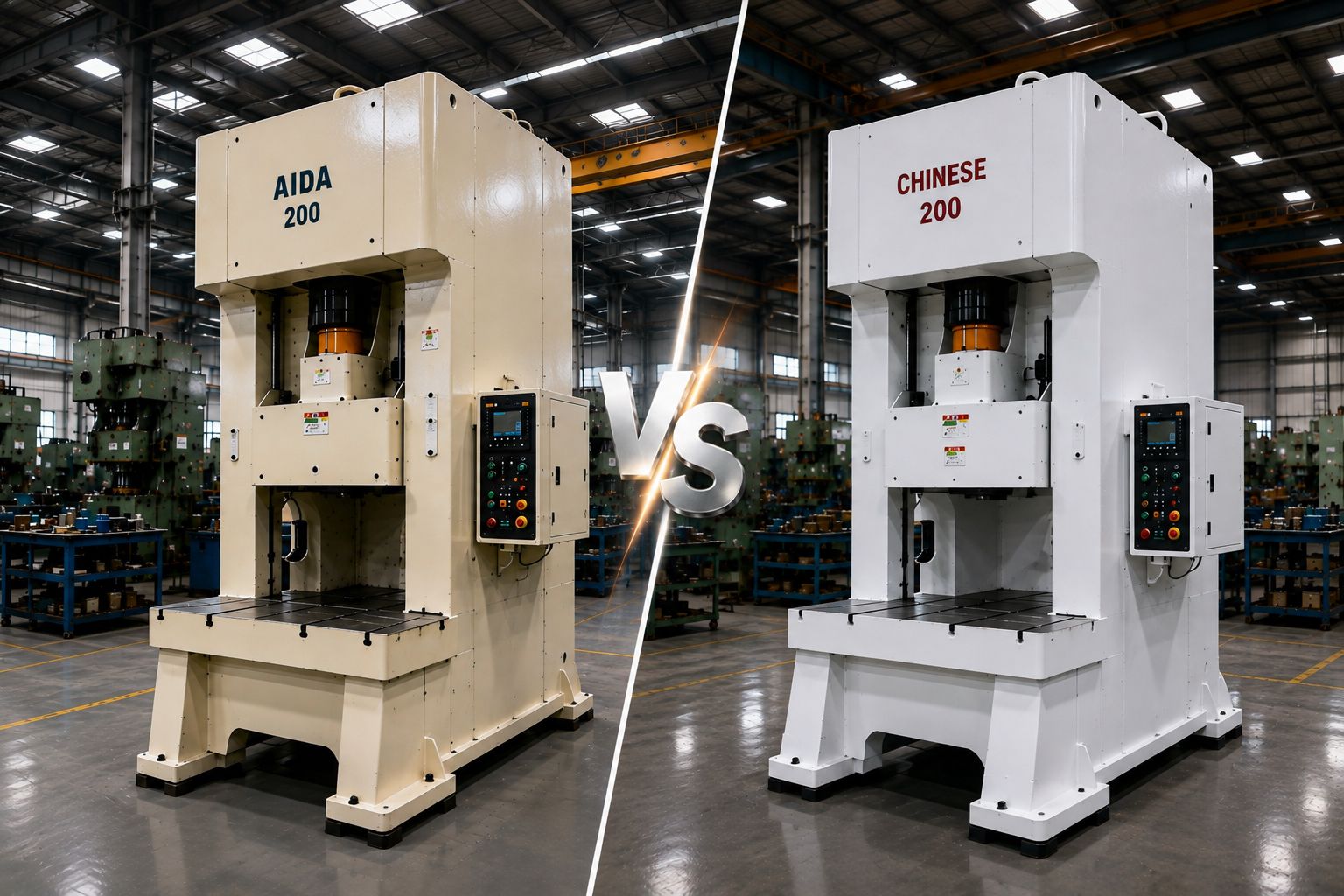
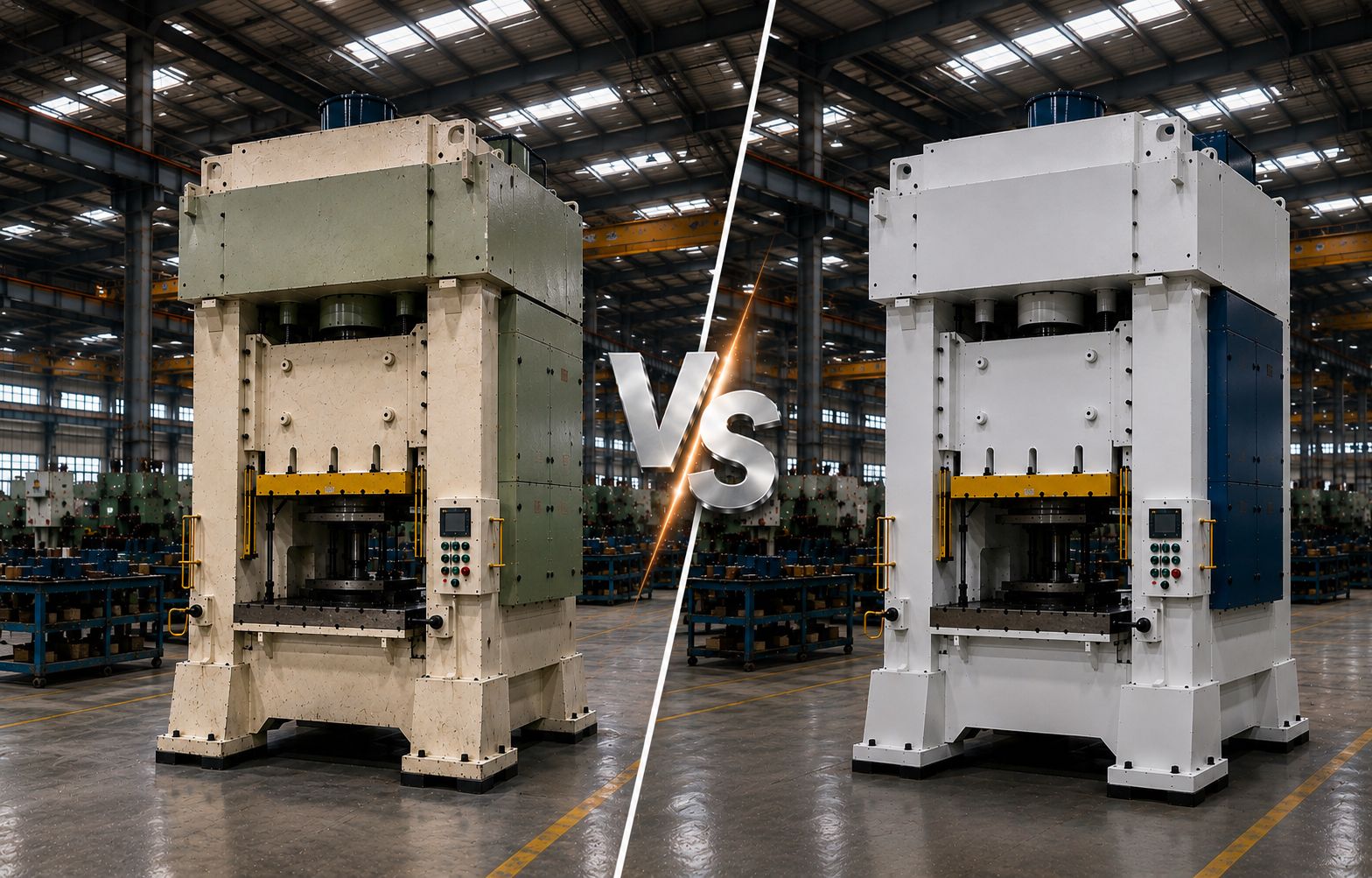
New vs Used Machine Tool: Side-by-Side Comparison
|
Factor |
New Machine |
Used Machine |
|---|---|---|
|
Purchase Price |
Higher upfront cost |
Lower initial investment |
|
Depreciation |
Rapid early depreciation |
Already depreciated; better value retention |
|
Delivery Time |
Long lead times |
Ready for quick delivery |
|
Warranty |
Full OEM warranty |
Dealer warranty (varies) |
|
Maintenance |
Lower initially |
Requires planned maintenance |
|
Spare Parts |
Easily available |
Good for reputed brands like AIDA, Komatsu, SIMPAC |
|
Break-Even |
Longer payback period |
Faster return on investment |
|
Capital Requirement |
Higher |
Lower |
|
Resale Value |
Drops significantly in early years |
More stable resale value |
|
Best For |
Latest technology & customization |
Cost-effective, proven performance |
The ROI Advantage of Used Machines
The core ROI advantage of a used machine is simple: when your initial outlay is lower, you recover your investment faster. The machine starts contributing to profit sooner.
This is particularly relevant for manufacturers taking on a new contract or expanding into a new product line. A lower entry cost reduces the financial risk of the new work, and if the contract changes or ends, your exposure is far smaller than it would have been with a new machine purchase.
Used machines also tend to hold their resale value well — particularly older Japanese and Korean machines that were built to last decades. If your requirements change, a well-maintained used machine from a reputed brand can often be resold at or near what you paid for it.
The Hidden Advantage of Used Machines: Speed to Production
One of the most overlooked benefits of buying used is how quickly you can get into production. When a customer order is waiting, the ability to inspect, purchase, and commission a machine within weeks — rather than waiting many months for a new import — is a significant competitive advantage.
Production delays have real costs. The speed advantage of buying from an existing used stock often more than compensates for any planned maintenance the machine may need.
When Does Buying New Make More Sense?
Used machines are not the right answer in every situation. Buying new makes better sense when:
- Your process requires the latest servo or automation technology
- You are in aerospace, medical, or other high-compliance sectors where an OEM warranty is contractually required
- Guaranteed precision from day one is critical to your customer commitments
- The exact machine model or specification you need is not available second-hand
When Does Buying Used Make More Sense?
Buying a used machine is the better decision when:
- Capital is limited and break-even speed matters
- You are expanding capacity for proven, existing production work
- You need a machine quickly and cannot wait months for a new import
- The process is standard — stamping, turning, grinding, pressing, or milling
- You are buying a reputed brand with strong spares support in India
A Note on Older Machines
Many of the used machines available in India today are 20 to 30 years old — and this is not a disadvantage. Industrial machines from Japanese and Korean manufacturers of that era were built with extremely robust engineering, heavy-duty components, and long service lives in mind.
Many of these machines continue to run in production environments today with minimal issues, outlasting newer machines of lower build quality. The key is proper inspection before purchase and planned maintenance once in service.
Conclusion
For most stamping, pressing, turning, grinding, and general machining applications in India, a quality used machine from a reputed brand delivers strong ROI — provided it is properly inspected and purchased from a reliable dealer.
The key is not to treat used as a compromise. A well-maintained Komatsu, Aida, Simpac, or Mazak machine from a trusted source is a strategic asset. The capital saved compared to buying new can be the difference between sustainable growth and unnecessary financial strain.
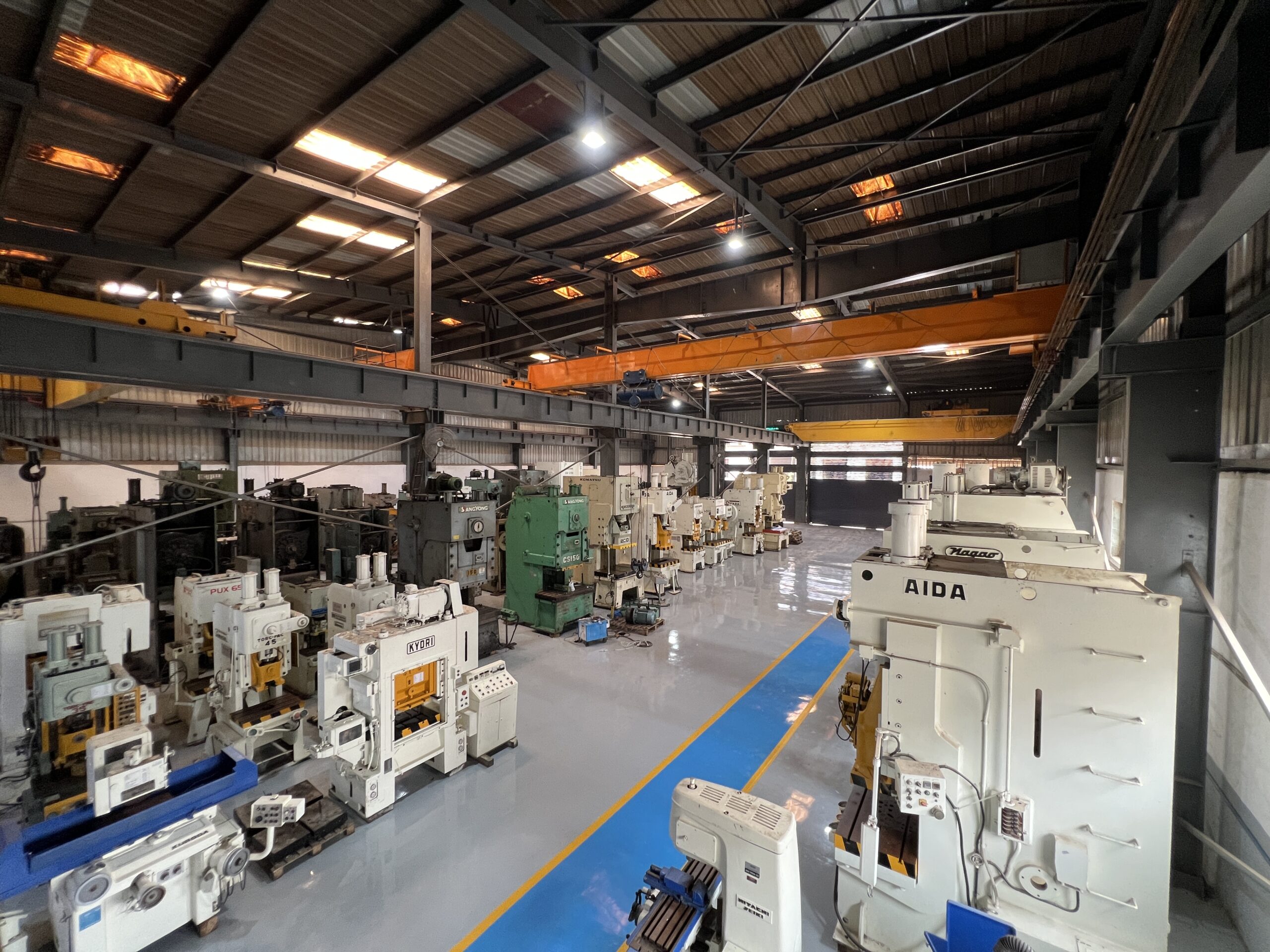
At Marvel Machinery, we stock over 345 verified used machines including presses, machine tools, forging machinery, and fabrication equipment — all available for in-person inspection and trial runs at our facility.