10
Aug
Why You Might Choose a Used Japanese or Korean Press Over a Cheaper New Chinese One
Introduction
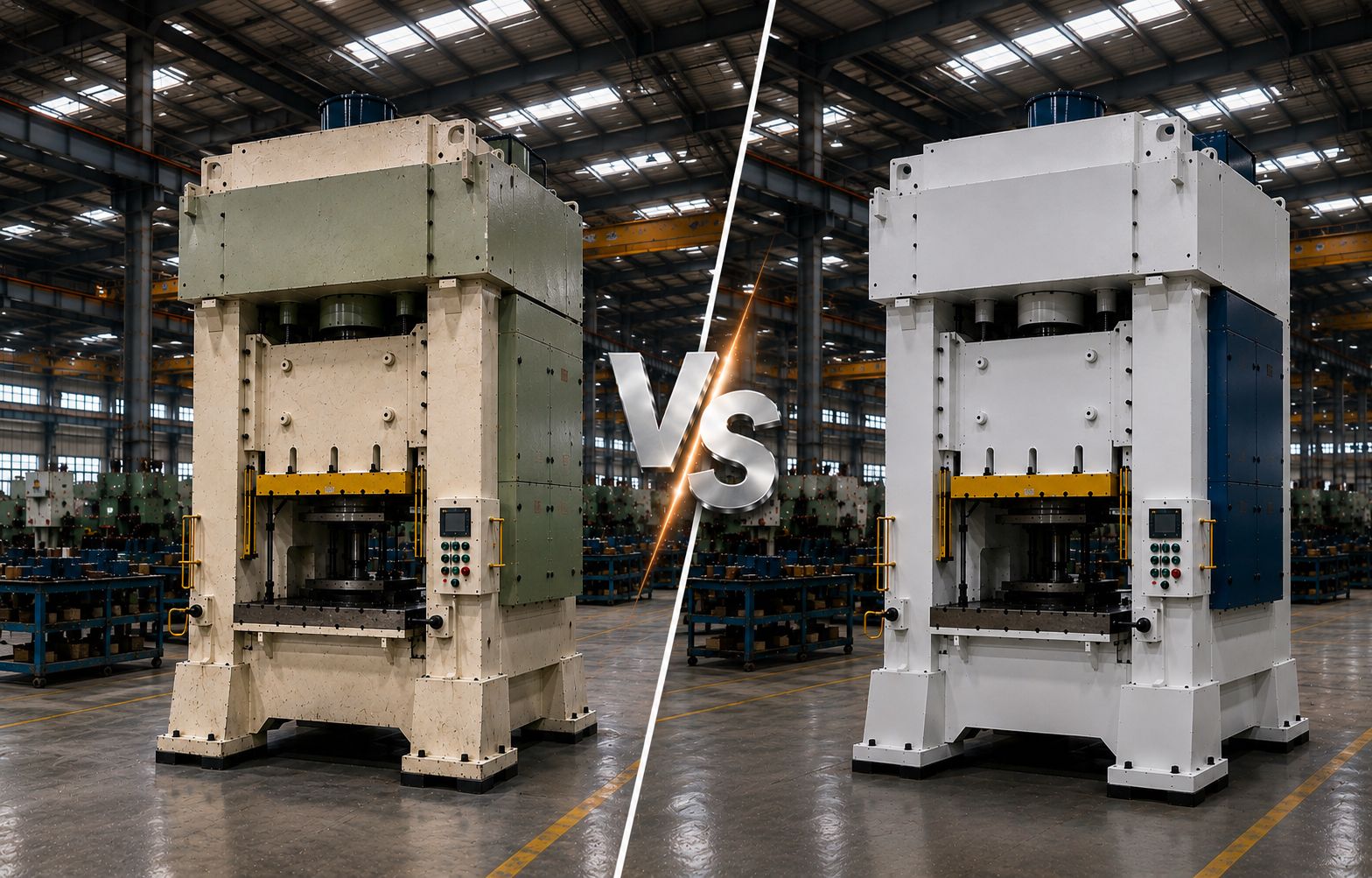
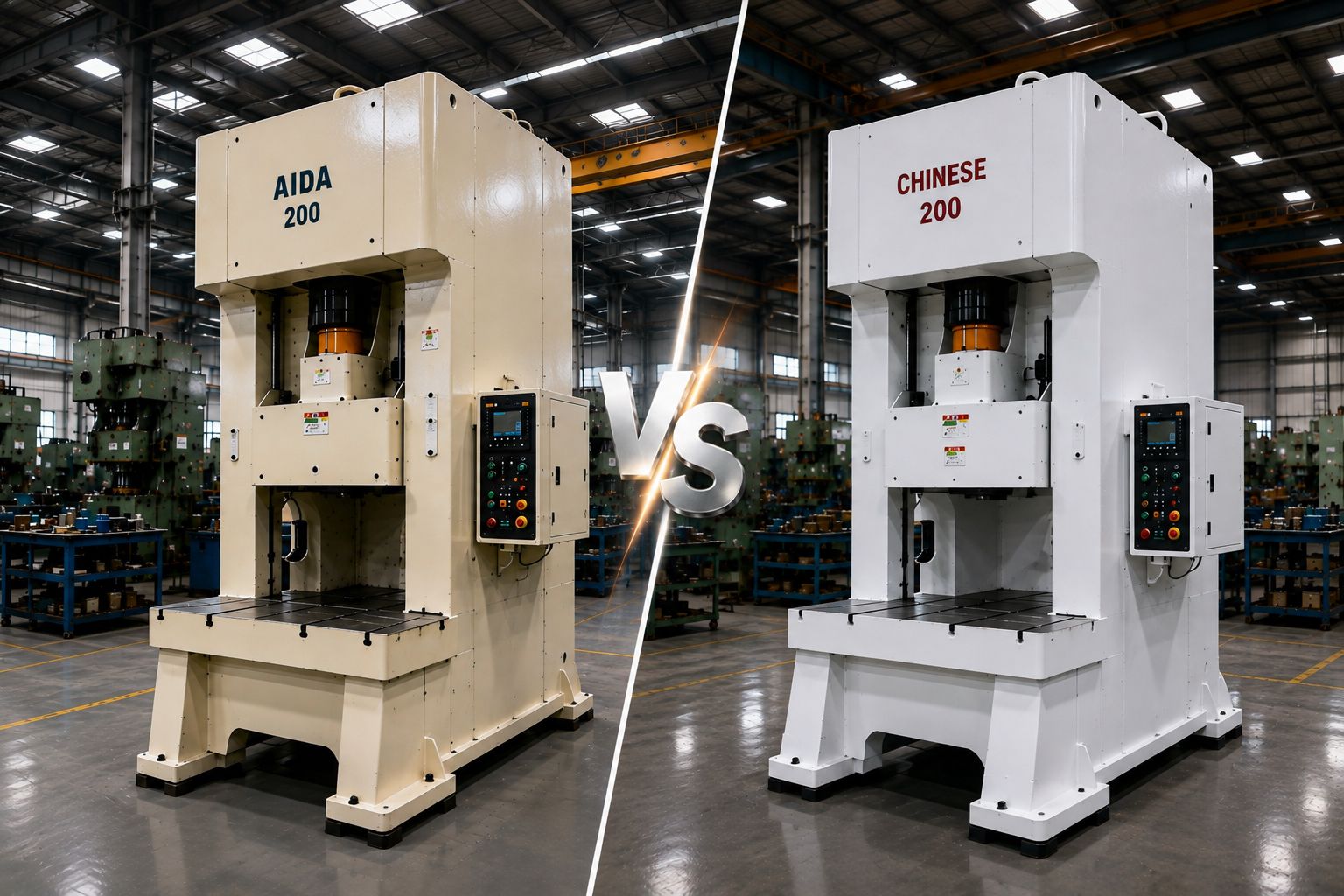
For many manufacturers, the choice is not simply between a used Japanese or Korean press and a new Chinese machine. The more important question is which option delivers the better long-term return on investment.
A press is typically a long-term production asset. The purchase price matters, but factors such as uptime, maintenance, die life, accuracy, and resale value often have a greater impact on overall profitability.
Looking Beyond the Initial Cost
A new Chinese machine may have a lower upfront price, while a quality used Japanese or Korean press usually requires a higher initial investment. However, the difference in price should be weighed against the machine’s expected operating life and production reliability.
Proven Reliability
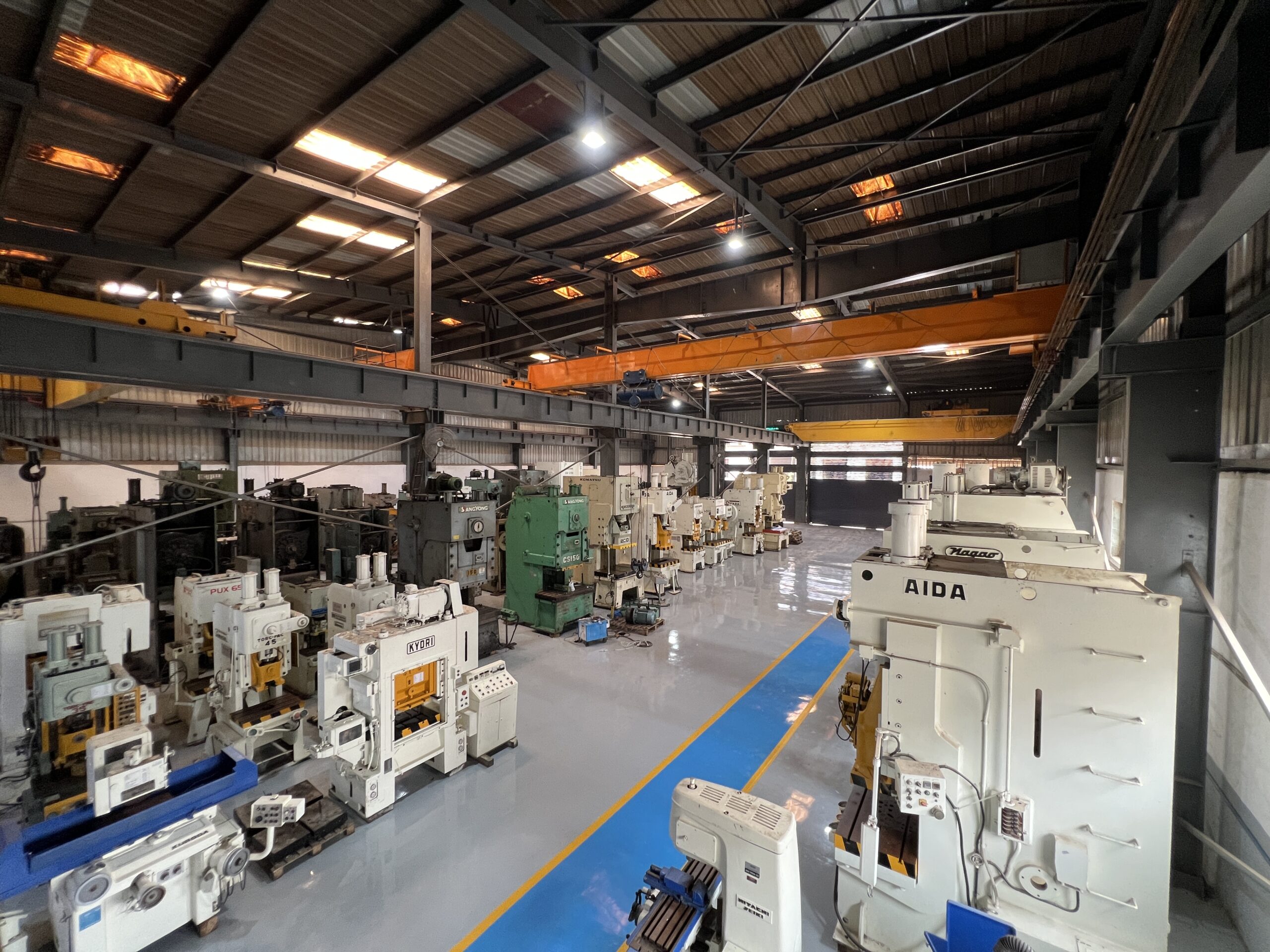
One reason many manufacturers continue to prefer brands such as AIDA, KOMATSU, and SIMPAC is their long track record. It is common to find these machines operating accurately even after decades of service.
This does not mean every used machine is superior. The machine’s condition, maintenance history, and inspection remain critical.
Downtime Is Expensive
Unplanned downtime can lead to delayed deliveries, idle labour, and lost production. For businesses running multiple shifts, reliability becomes a key production factor.
Build Quality and Production Performance
Higher-quality construction can contribute to:
- better accuracy,
- improved repeatability,
- longer die life,
- and lower rejection rates.
Resale Value
A quality used machine has already undergone most of its depreciation, which often helps preserve resale value better than a newly purchased machine.
A Balanced View
A new machine may be the better choice when the latest technology, full OEM warranty, or a specific specification is required.
A used Japanese or Korean press may be the better option when capital efficiency, faster break-even, proven production performance, and strong spares support are the priorities.
Conclusion
The decision should be based not only on the purchase price but on which machine will provide the best performance and reliability over the years ahead.
For many stamping and fabrication applications, a properly inspected used Japanese or Korean press can offer a strong combination of lower capital commitment, proven reliability, stable resale value, and faster return on investment.